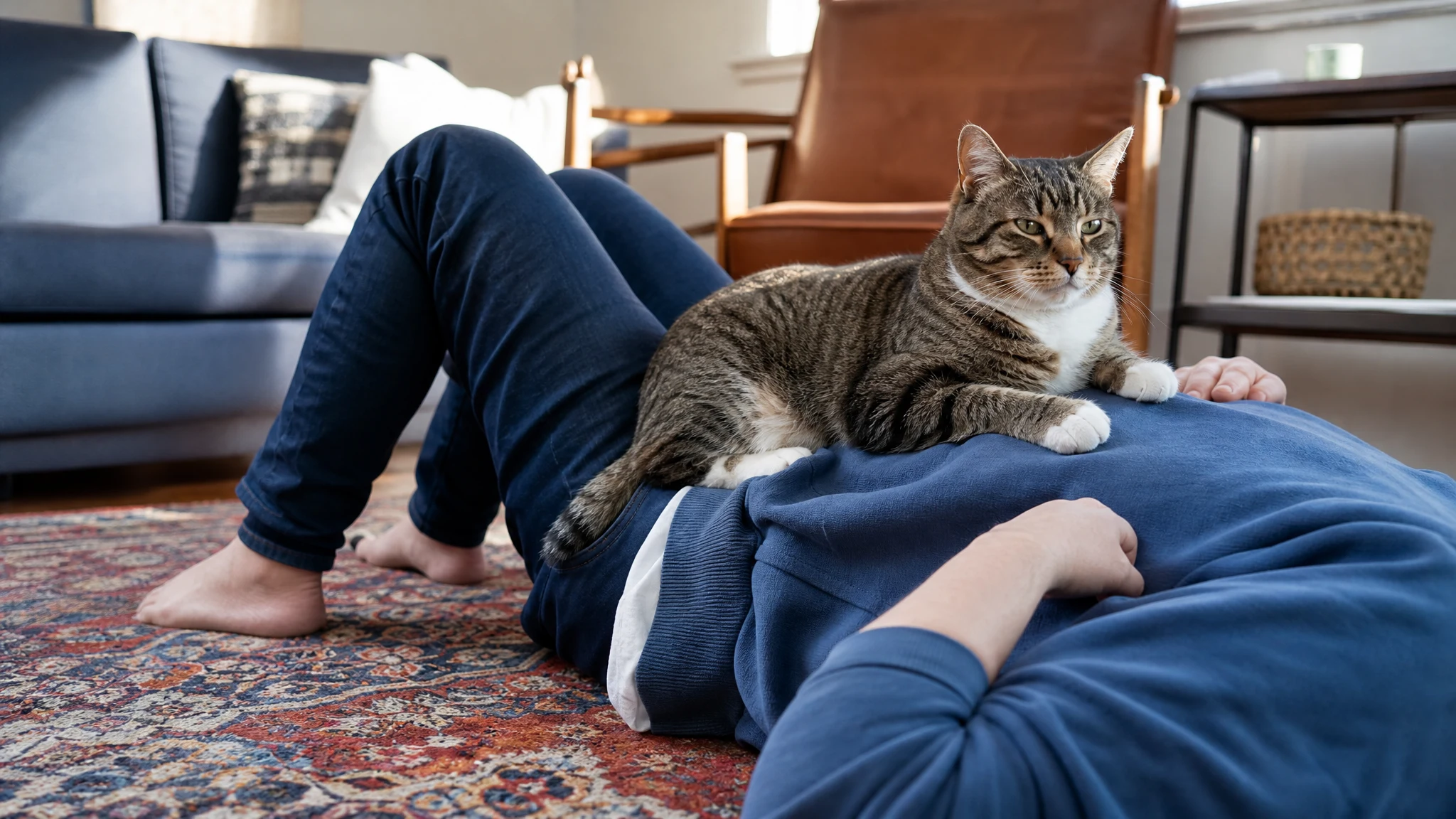
Emotional Support Cats for Anxiety: Daily Life, Not Just the Letter
Most articles about an emotional support cat for anxiety begin and end with paperwork. The letter matters, particularly for housing, but it is a small part of the story. The larger part is the ordinary Tuesday: the cat on the pillow at 3 a.m., the predictable feeding schedule that gets you out of bed, the slow blink across the kitchen during a hard afternoon. This deep dive looks at what research suggests about cats for anxiety, how the “chemistry” of the human–cat bond may work, what to watch for on the safety side, and how to choose a cat and a clinician with care.
What “Ingredients” Are Involved? The Neurochemistry of a Cat in the Room
A cat has no active compounds in the pharmaceutical sense, so the useful question is which of the body’s own chemical systems closeness to a cat may touch. Researchers studying human–animal interaction most often point to the following. Treat these as areas of study, not guaranteed effects.
- Oxytocin. Often called a bonding hormone, oxytocin has been measured in studies of people interacting with companion animals. Most of that work involves dogs, but research on cats, including a 2019 study in Current Biology by Vitale and colleagues on attachment bonds between cats and humans, suggests many cats form genuine secure attachments to their people.
- Cortisol. This is the body’s main stress hormone. Some small studies of animal-assisted interaction have reported lower cortisol readings afterward, though results vary and study designs differ widely.
- Heart rate and blood pressure. A frequently cited observational analysis by Qureshi and colleagues (2009) found that cat owners had a lower observed rate of cardiovascular death than people who had never owned a cat. The authors did not claim cause and effect, and neither should we.
- Serotonin and dopamine. Some researchers have proposed that routine, touch and play may support mood-related signalling. This is more hypothesis than established finding.
The Purr
The domestic cat’s purr falls roughly in the 25–150 Hz range. Some bioacoustics researchers have speculated that vibrations in this range may be soothing to hear and feel, and cat owners often describe the sound as grounding. No study has shown that purring treats anxiety, but as an observation it fits what many owners report: a steady, rhythmic, low sound can be a useful anchor during a racing-thoughts evening.
What Research Suggests About Cats for Anxiety
A 2018 systematic review by Brooks and colleagues in BMC Psychiatry examined how companion animals figure in the lives of people with long-term mental health conditions. It reported that many participants described pets as a source of comfort, routine and social connection, and also noted that the evidence base is uneven and that study quality varies. That balance is the honest summary of the field: research suggests companionship can be meaningful, and it does not show that a cat replaces treatment.
Where the findings are consistent is in the mechanisms people describe rather than in cures:
- Routine. A cat needs feeding, water and litter care at predictable times. Many people with anxiety or low mood find that small anchored tasks help structure a day.
- Touch and presence. Stroking a calm animal is a simple sensory activity that some people find settling.
- Reduced isolation. A cat is a living presence at home, and many owners report feeling less alone.
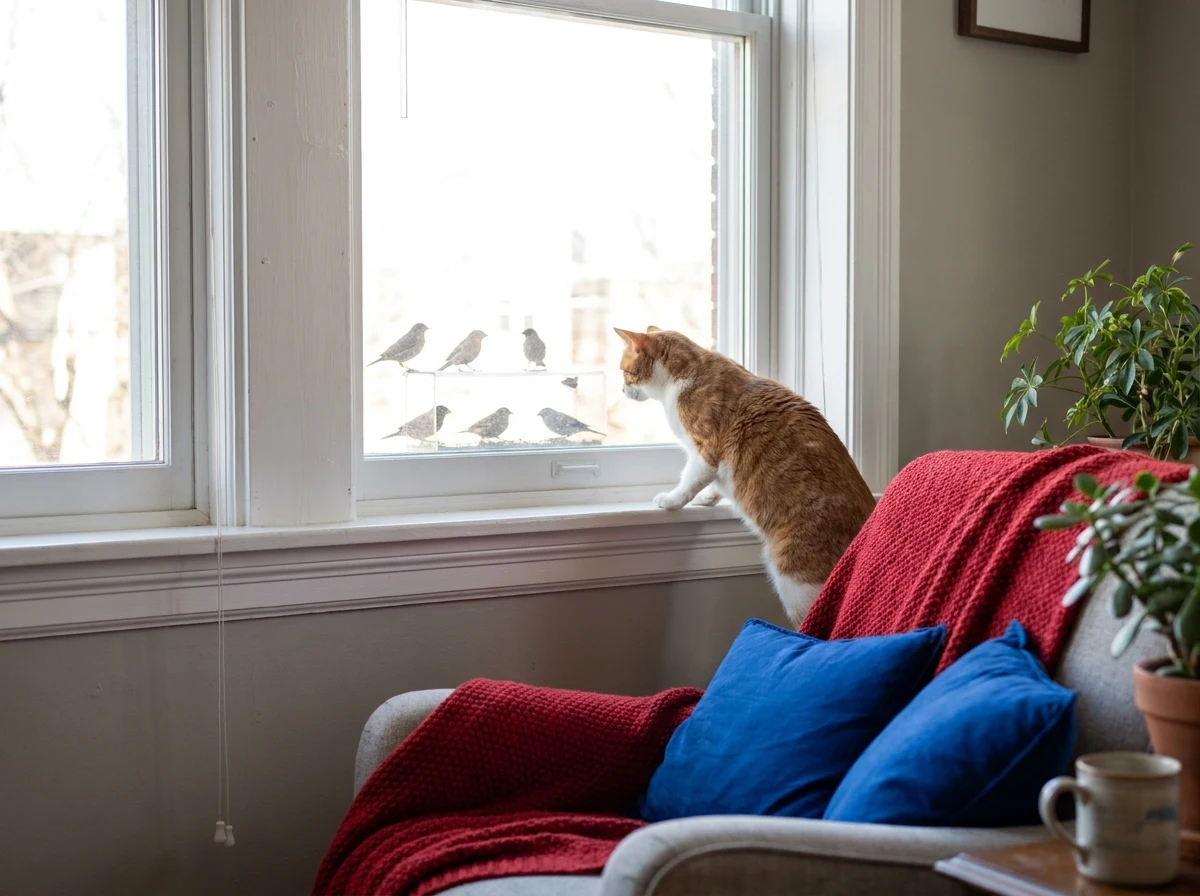
- Gentle attention shifting. Watching a cat stalk a toy gives the mind somewhere to rest besides worry.
If you are searching for therapy cats for anxiety and depression, a clarification helps. “Therapy animal” usually means an animal that visits facilities with a trained handler. An emotional support animal lives with its owner and, under federal housing law, may be recognised as a reasonable accommodation when a licensed clinician supports the need. They are different categories, and many people use the phrases loosely.
Daily Life With an Emotional Support Cat
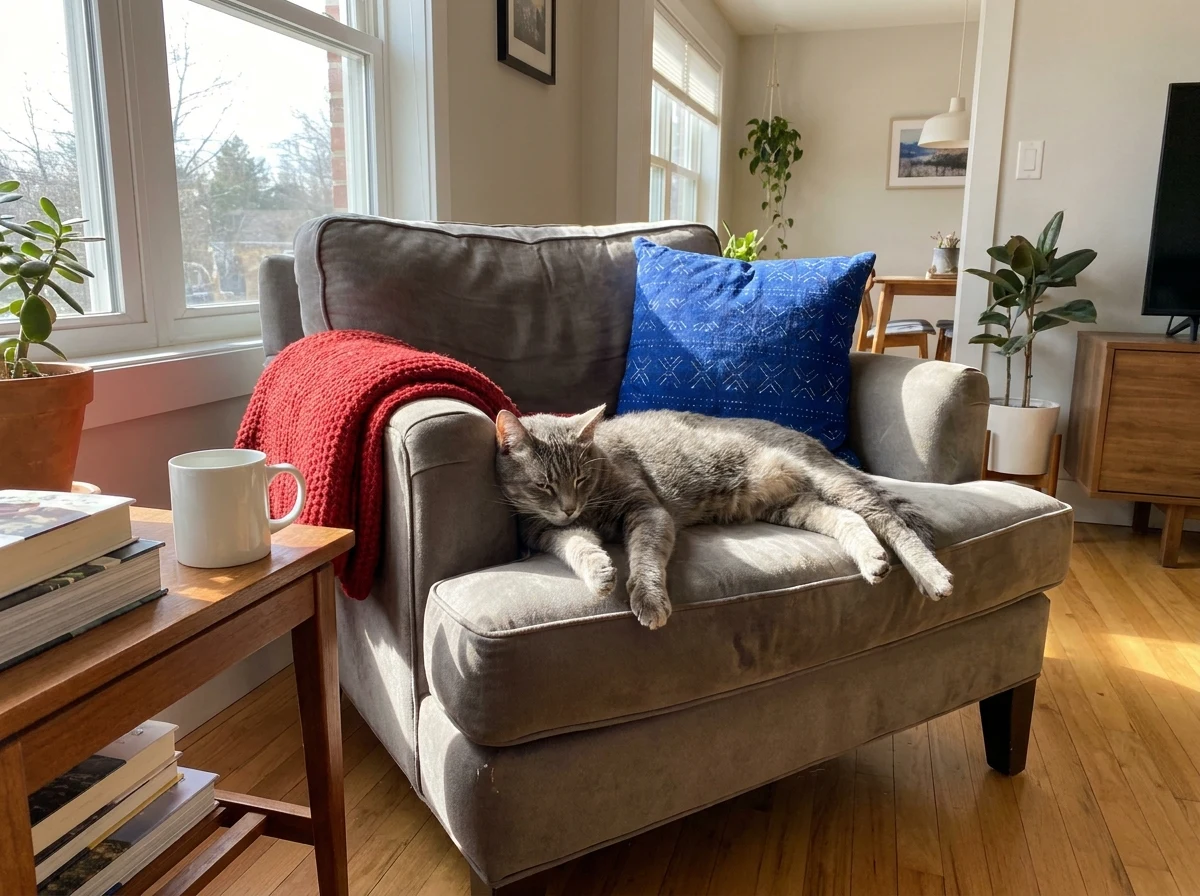
The people who seem to benefit most are often those who treat the cat as a relationship, not a remedy. A few patterns owners describe:
Morning
Feeding on a schedule gives the day a first small task. Some owners pair it with their own routine: breakfast when the cat eats, a few minutes of quiet together before screens.
Midday
Short play sessions, around ten minutes with a wand toy, are good for the cat and a natural break for you. Cats are crepuscular, so they often enjoy more active play near dawn and dusk.
Evening
Many owners build a wind-down habit: lights low, cat nearby, phone away. A predictable evening can be especially valuable if worry tends to rise at night.
The Hard Days
On days when getting up feels impossible, a cat who needs breakfast may be a gentle push. That is not a treatment, but owners frequently mention it. Equally, be kind to yourself: a cat should never become a source of guilt on days you struggle. If bad days are becoming frequent, that is a reason to speak with a licensed clinician rather than a reason to try harder alone.
Safety Profile and Contraindications
No companion animal is right for everyone. Consider these before bringing a cat home.
- Allergies and asthma. Cat allergens (chiefly the protein Fel d 1) can aggravate asthma and allergic rhinitis. Spend extended time with a cat before committing, and ask your doctor if you have respiratory conditions.
- Infection considerations. Toxoplasmosis is a recognised concern for pregnant people and those with weakened immune systems, mainly through litter handling. Bartonella (“cat scratch disease”) can also affect immunocompromised people. Your physician can advise; routine veterinary care and good litter hygiene reduce risk.
- Financial and time load. Veterinary care, food, litter and emergencies are real costs. A financial strain can itself worsen anxiety.
- Attachment and loss. Cats can live fifteen to twenty years. Losing one can be painful, and a person who relies heavily on a single companion may find that loss especially hard. Maintaining human supports and professional care is wise.
- The cat’s welfare. A stressed, under-socialised or unwell cat will not be calming. Cats need enrichment, vertical space, hiding places and respect for their boundaries.
- Not a substitute for care. A cat does not replace therapy, medication or crisis support. If you are in crisis, contact a crisis line or emergency services.
Sourcing and Quality Indicators
Choosing the Cat
Temperament matters more than breed. Many adults from shelters or rescues arrive with a known personality, which is a real advantage over an unpredictable kitten. Look for a cat who approaches calmly, tolerates handling, and recovers quickly from small surprises. Ask the shelter about the cat’s history, and arrange a vet check soon after adoption. Kittens are delightful but demanding, and the energy they require is not always compatible with a low-energy month.
Choosing the Clinician
If you decide you would like documentation for housing, quality matters more than speed. Signs of a legitimate process:
- The letter comes from a licensed mental health professional (LMHP) licensed in your state, such as an LCSW, LMHC, LMFT, psychologist, psychiatrist or, where state law permits, a licensed primary-care provider.
- A real individual evaluation takes place. A licensed clinician determines whether an emotional support animal is therapeutically appropriate, and approval is never automatic.
- The provider is transparent about licensure and state rules.
- Be wary of fly-by-night services that promise instant results or sell a $40 “certificate” with no clinician involved. Those documents carry no legal weight.
For a plain-language look at the basics, see our guide on whether a cat can be an emotional support animal and who qualifies.
The Letter, Briefly: What It Does and Does Not Do
Under the federal Fair Housing Act, HUD’s notice FHEO-2020-01 (“Assessing a Person’s Request to Have an Animal as a Reasonable Accommodation Under the Fair Housing Act”) explains how housing providers should evaluate requests for assistance animals. In practice, the housing protection comes from a letter written by a licensed mental health professional, based on the clinician’s assessment. It is not guaranteed, and a housing provider may still ask for reliable information about a disability-related need.
Rules differ by state, so check yours:
- Florida: Florida Statute 760.27 requires the clinician to be licensed in Florida or to have an established prior in-person relationship with you. An online-only, out-of-state provider cannot issue a valid Florida letter.
- California (AB-468), Montana (HB-703), Arkansas, Iowa and Louisiana: state law requires a minimum 30-day established therapeutic relationship with the clinician before a letter can be issued. This protects the integrity of the evaluation, and a reputable provider will build it into the process rather than promise a shortcut.
- All other states: the federal framework applies, and the clinician should be licensed in the state where you live. Check your own state’s requirements, because laws change.
Two honest limits. First, emotional support animals no longer have air-travel protection: the Department of Transportation removed them from the Air Carrier Access Act rules in 2021, and airlines now treat them as ordinary pets. Second, an ESA is not a service animal and does not carry public-access rights to shops or restaurants.
About Registration
Registration is optional and is not a legal requirement. Housing rights under the Fair Housing Act come only from a letter written by a licensed mental health professional, and a landlord is not required to accept a registration number, ID card or certificate in place of that letter. Some owners still choose registration for practical reasons, the first being lost-pet recovery: a database entry and an ID tag can help a found cat get back to you. Other benefits include an ID card and a discount on the letter. If that appeals, here is how to register your cat as an emotional support animal, with the caveat above kept firmly in view.
A Practical Starting Checklist
- Talk with a licensed clinician in your state about what is helping and what is not.
- Ask your doctor about allergies, pregnancy or immune concerns before adopting.
- Meet the cat more than once, and ask about temperament and health history.
- Budget for veterinary care and set up enrichment before the cat comes home.
- If you want housing documentation, work only with a licensed clinician who follows your state’s rules.
- Keep your human supports and professional care in place.
The Takeaway
Research suggests that the comfort many people find in cats comes from the everyday: routine, touch, presence and a little shared quiet. The letter is a tool for housing, not the heart of the relationship. Choose a cat whose temperament suits your life, treat the cat’s needs with the same care you hope to receive, and let a licensed clinician guide the clinical questions.
Disclaimer: This article is informational only and is not medical, mental-health or legal advice. It does not diagnose any condition or tell you that you need an emotional support animal. Please consult a mental health professional licensed in your state and review your state’s specific rules. For landlord disputes, consult an attorney licensed in your state; your local legal aid office can also help with Fair Housing Act enforcement. Research cited is described in general terms, so please read the original studies for detail.
Ready to start your ESA letter?
Licensed clinician review. Compliant with state law.
Get My ESA Cat Letter