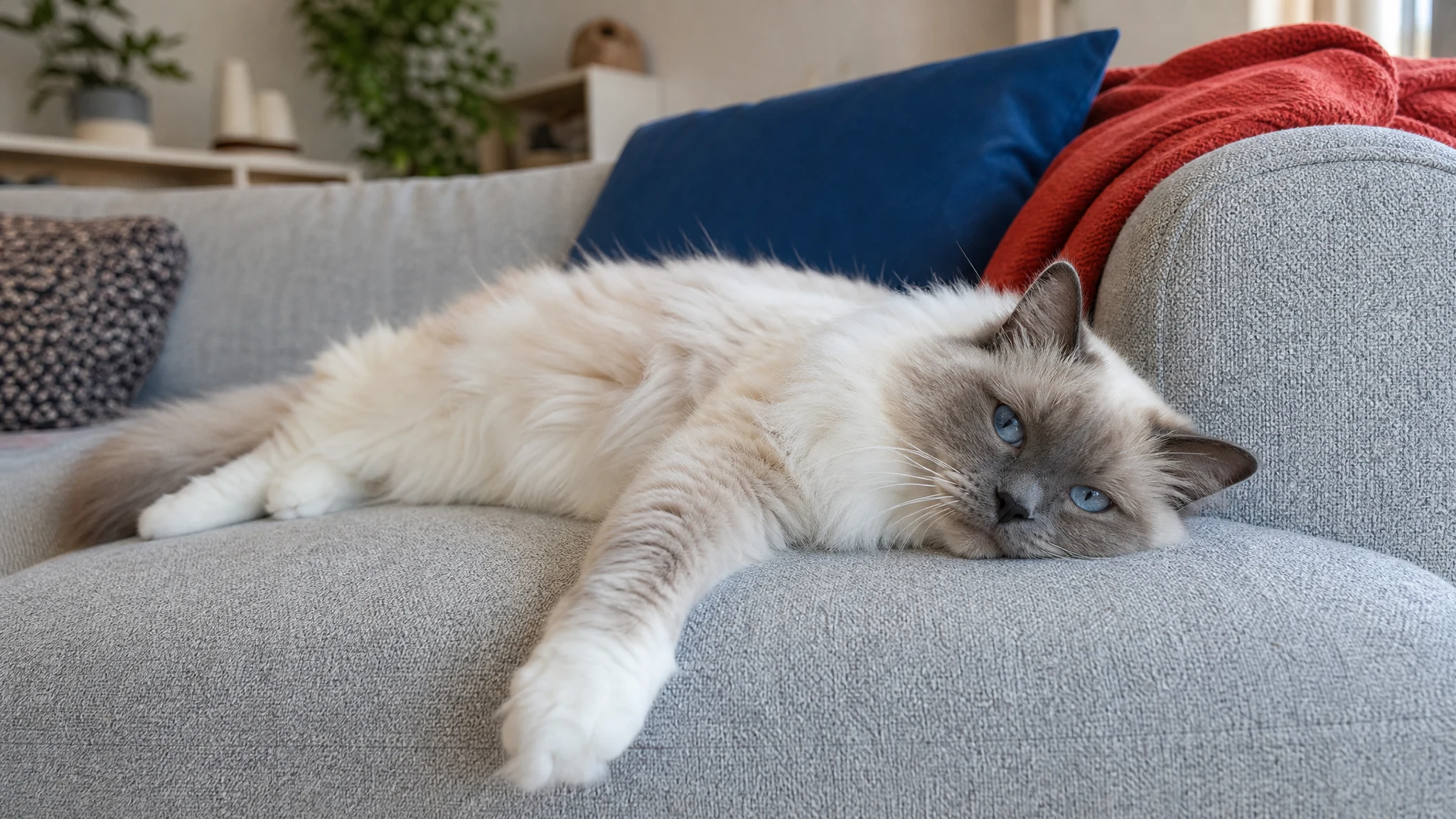
The 10 Best Cat Breeds for Emotional Support
Anyone who has felt a cat settle into the crook of their arm after a hard day understands why so many people search for the best cat for emotional support. Cats offer a steady, low-demand companionship that many people with anxiety, depression, or chronic stress find calming: the rhythm of a purr, the warmth of a small body on the couch, the simple structure that feeding and play add to a day. If you are comparing emotional support cat breeds, this guide walks through ten that owners most often describe as affectionate, adaptable, and well suited to apartment life.
One honest note before the list: no breed is required, and none is automatically more “qualified” than another. Under the Fair Housing Act, what matters is whether a licensed mental health professional (LMHP) determines that an emotional support animal is therapeutically appropriate for you, not whether your cat has a pedigree. The best cat breeds for emotional support are really the cats whose temperament fits your home, your energy, and your daily routine.
How We Chose These Emotional Support Cat Breeds
We looked at traits owners consistently value in a companion animal: affectionate and people-oriented behavior, tolerance for handling, a calm demeanor, and adaptability to indoor living. We also weighed practical factors such as grooming needs and common health considerations, because a cat you can comfortably care for is a cat that can truly support you. Individual cats vary widely within every breed, so treat these as tendencies, not guarantees.
Each entry below follows the same format: a short portrait of the breed, what daily life with one is like, and a practical takeaway you can use when deciding.
1. Ragdoll
Ragdolls are often the first breed people name when asked for the best cat for emotional support, and the reputation is earned. Large, soft-coated, and famously relaxed, many Ragdolls go limp when picked up, a trait that gave the breed its name. They tend to follow their people from room to room and greet them at the door.
That devotion comes with a need for company. A Ragdoll left alone for long stretches may become lonely, so they suit people who work from home or keep a flexible schedule. Their semi-long coats mat less than you might expect, but a few brushing sessions a week keep them comfortable.
Practical takeaway: Choose a Ragdoll if you want a gentle lap cat and can offer plenty of daily presence. Budget for regular grooming and check the breeder’s heart-screening practices, since the breed can carry certain inherited heart conditions.
2. Maine Coon
Often called the gentle giants of the cat world, Maine Coons combine impressive size with a sociable, easygoing nature. They chirp and trill rather than meow, enjoy being near their people without demanding constant lap time, and tend to get along with visitors.
For someone who finds quiet companionship soothing, a Maine Coon’s steady presence in the next chair can be reassuring. They are also playful well into adulthood, which can add gentle structure and lightness to a day. Their size and long coat mean more food, a larger litter box, and more brushing.
Practical takeaway: A Maine Coon suits a home with room to stretch out. Ask about hip and heart screening, and plan on weekly grooming sessions to keep that coat tangle-free.
3. British Shorthair
The British Shorthair is the dignified companion: round-faced, plush-coated, and content to keep you company without climbing you like a tree. Many are affectionate on their own terms, happy to sit beside you rather than on you, which suits people who like closeness without constant physical contact.
They are generally calm and cope well with being home alone during a workday, though they still need play and attention in the evenings. Their dense coat sheds seasonally, but a weekly brushing usually keeps things manageable.
Practical takeaway: Consider a British Shorthair if you want a steady, undemanding presence. Watch their weight, because the breed is prone to gaining it, and keep play sessions on the calendar.
4. Persian
Persians are the classic quiet companion. Their soft voices, slow movements, and love of a peaceful household make them a natural fit for people who find calm, predictable routines comforting. They rarely leap onto high shelves or tear around the apartment, which can matter in small spaces.
That serenity requires commitment. The long coat needs daily brushing, and the flat face can lead to tear staining and breathing or dental concerns in some cats. The grooming ritual itself, though, is something many owners describe as a calming, bonding part of the day.
Practical takeaway: Pick a Persian only if daily grooming and routine veterinary care fit your life. Look for a breeder who prioritizes a slightly longer muzzle and good breathing health.
5. Birman
The Birman, with its sapphire eyes and silky colorpoint coat, is a sociable, soft-spoken cat that bonds closely with its household. Owners often describe them as gentle and attentive, content to be part of whatever you are doing, whether that is reading, cooking, or folding laundry.
Unlike some long-haired breeds, Birmans have little undercoat, so their fur tangles less. They do best with company and can pair well with another calm pet, though they are equally happy as an only cat if someone is home often.
Practical takeaway: A Birman is a good middle path for people who want a long-haired beauty without Persian-level grooming. Plan for interactive play and plenty of shared time.
6. Siamese
If you want a cat that talks back, the Siamese may be your match. These slender, intelligent cats are famously vocal and deeply attached to their people, often choosing one person to shadow all day. For someone who lives alone and appreciates a companion that notices when they come home, that engagement can be a comfort.
The same intensity means Siamese do not thrive in empty houses. They need puzzle toys, climbing space, and conversation. Their short coat is easy to care for, but their emotional needs are not low-maintenance.
Practical takeaway: Choose a Siamese if you enjoy a chatty, interactive cat and are home often. If you prefer quiet, look elsewhere on this list.
7. Burmese
Burmese cats are sometimes described as “dog-like” in their devotion, though they remain very much cats. Compact, muscular, and silky, they seek out laps, blankets, and warm spots next to their people. Their voices are softer than the Siamese’s, and many owners find their affectionate persistence endearing.
Burmese tend to stay playful and kitten-like for years, so they suit people who enjoy games and routine interaction. Their short, glossy coat needs minimal grooming, which makes them a practical choice for busy households.
Practical takeaway: A Burmese is a strong pick for someone who wants a warm, people-focused companion with easy coat care. Ask your veterinarian about breed-linked health screening.
8. Russian Blue
Russian Blues are reserved at first and devoted once trust is built. Their plush silver-blue coat and quiet, observant manner appeal to people who prefer a calm home. They often attach strongly to one or two people and may be shy with strangers.
Because they value routine, they can be a good fit for owners who also benefit from structure: regular meals, predictable play, a consistent evening wind-down. Sudden changes can stress them, so introduce new people and furniture gradually.
Practical takeaway: A Russian Blue rewards patience. If you want a cat that quietly settles in beside you after an adjustment period, this breed is worth meeting in person first.
9. Scottish Fold
Scottish Folds are known for their folded ears and sweet, owl-like faces, and their temperament is typically gentle and adaptable. They enjoy company, handle quiet households well, and often take to sitting upright in amusing poses.
This is the entry where we recommend extra caution. The gene that creates the folded ear is linked to a painful joint and cartilage condition, and responsible veterinary organizations raise welfare concerns about breeding folds. If you love the look, speak with your veterinarian first, and consider a straight-eared Scottish Shorthair, which shares the temperament without the same risk.
Practical takeaway: Put your cat’s long-term comfort first. A healthy cat is a better companion, and a pain-free life is the foundation of any good bond.
10. The Domestic Shorthair (Shelter and Rescue Mixes)
The best cat for emotional support may not be a breed at all. Domestic shorthairs and shelter mixes come in every temperament, and a good adoption counselor can help match you with a cat that is already calm, social, and comfortable with handling. Seeing a cat’s personality directly, rather than predicting it from breed traits, is a real advantage.
Adult shelter cats are especially valuable here: their adult temperament is known, and many are overlooked despite being affectionate and settled. Mixed-breed cats also tend to carry fewer breed-specific inherited conditions, though no cat is guaranteed to be problem-free.
Practical takeaway: Visit a local shelter, spend time with a few cats, and ask staff which ones are cuddly, calm, and tolerant of new people. Personality beats pedigree.
Does Breed Matter for an ESA Letter?
No. Housing protections for an emotional support animal come from the federal Fair Housing Act, as explained in HUD’s notice FHEO-2020-01, “Assessing a Person’s Request to Have an Animal as a Reasonable Accommodation Under the Fair Housing Act.” That guidance focuses on whether a person has a disability-related need and whether the animal helps with it. It does not rank breeds. A landlord may still evaluate an individual animal’s conduct, but cannot generally refuse a reasonable accommodation based on breed stereotypes alone.
The document that matters is a letter from a licensed mental health professional who is licensed in your state, such as an LCSW, LMHC, LMFT, psychologist, psychiatrist, or, where state law permits, a licensed primary-care provider. A clinician will determine whether an emotional support animal is therapeutically appropriate for you; many people with anxiety or depression find an ESA helpful, but only a clinician can assess that for you individually. If you are curious about the process, our guide on how to register your cat as an emotional support animal explains the steps in plain language.
State Rules to Know Before You Start
ESA rules vary by state, and a few have specific clinician requirements:
- Florida: Florida Statute 760.27 requires the clinician to be licensed in Florida or to have an established prior in-person relationship with you. An online-only provider licensed elsewhere cannot issue a valid Florida letter.
- California, Montana, Arkansas, Iowa, and Louisiana: State law requires a minimum 30-day established clinician-client relationship before an ESA letter can be issued. This is a safeguard that supports a more thoughtful evaluation, and no one should promise to skip it.
- All other states: The federal Fair Housing Act framework applies, and your clinician must be licensed in your state. Check your state’s current rules, because laws change.
About Registration, ID Cards, and Travel
Registering your cat is optional and is not a legal requirement. Housing rights under the Fair Housing Act come only from a letter written by a licensed mental health professional, and a landlord is not required to accept a registration number, ID card, or certificate in place of that letter. If you choose to register, the real benefit is practical: a lost-pet recovery database that helps reunite you with your cat if they ever slip out the door, along with an ID card and certificate and a discount on the ESA letter. Be wary of any site that charges a small fee for a “certified” cat and implies it carries legal weight; it does not.
Travel is another area to be clear about. Since the Department of Transportation’s 2021 rule change, airlines treat emotional support animals as regular pets, and an ESA letter does not provide air-travel rights. Check your airline’s pet policy before booking.
Choosing the Best Emotional Support Cat Breed for You
The right emotional support cat breed depends on your life. If you are home often and love a gentle lap cat, a Ragdoll or Birman may suit you. If you want quiet company, a British Shorthair or Persian could fit. If you crave conversation, a Siamese will oblige. And if you want to give a cat a second chance, a shelter mix can be the most rewarding choice of all. Whatever you pick, spend time with the cat before committing, and make sure you can afford their food, grooming, and veterinary care.
Important Disclaimer
This article is informational content only. It is not medical, mental-health, or legal advice. Whether an emotional support animal is appropriate for you is a decision for a licensed mental health professional, so please consult a clinician licensed in your state. For housing disputes or questions about your rights, consult an attorney licensed in your state, or contact your local legal aid office. Review your state’s specific rules before beginning the process.
Ready to start your ESA letter?
Licensed clinician review. Compliant with state law.
Get My ESA Cat Letter