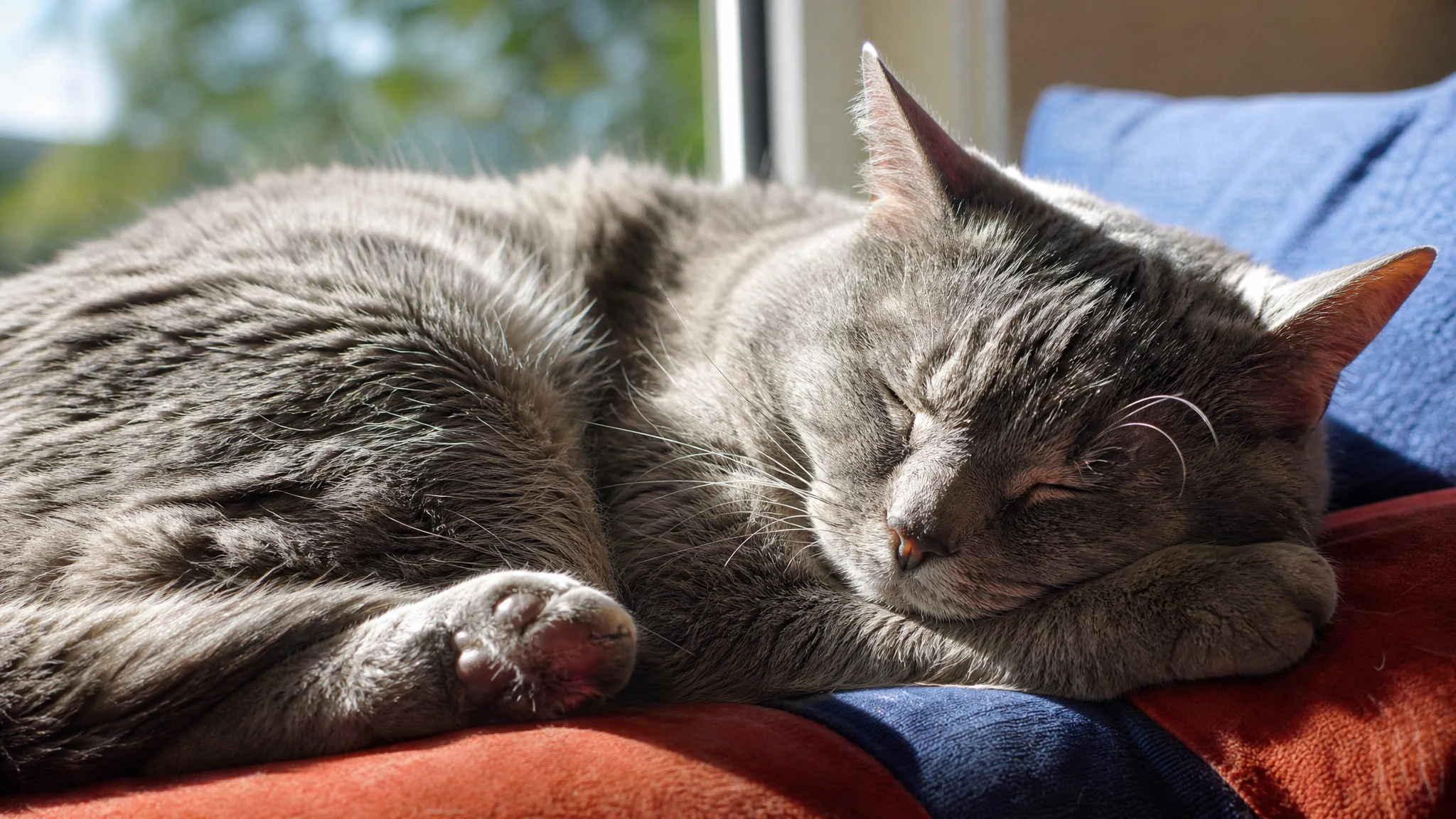
Senior Cats as Emotional Support Animals: Why Older Cats Make Great Companions
Kittens get most of the attention, but many owners find that a calm, settled older cat is the better fit for a home that needs steadiness. A senior cat, generally one aged around ten or older, arrives with a known temperament, established habits and often a quiet affection that younger cats take years to develop. This guide walks you through senior cat emotional support step by step: how to decide whether an older cat suits you, how to approach adopting an emotional support cat, and how the letter and housing rules work in every U.S. state.
Why Older Cats Can Make Good Emotional Support Companions
An emotional support cat is a companion animal that a licensed clinician has determined may be therapeutically helpful to a particular person. Age does not change that definition, and it does not change the legal framework. What age does change is the day-to-day experience of living with the animal. Many owners find that senior cats offer:
- Predictable temperament. You can meet the adult cat you are actually adopting, rather than guessing how a kitten will turn out.
- A calmer pace. Older cats tend to nap, purr and keep you company without the climbing, scratching and midnight sprints of a kitten.
- Lower-effort training. Most seniors already know the litter box, a scratching post and household routines.
- A second chance. Senior cats are among the longest-waiting animals in shelters, and many owners say that giving one a home is meaningful in itself.
Many people living with anxiety, depression or loneliness report that a gentle daily routine of feeding, brushing and quiet company is soothing. A licensed clinician will determine whether an emotional support animal is therapeutically appropriate for you; this article cannot, and nothing here suggests that any cat will produce a particular result.
Materials You Will Need
Gather these before the cat comes home, so the first week is about bonding rather than shopping:
- A low-sided litter box (arthritic joints struggle with tall walls) and unscented, soft-textured litter
- Shallow food and water dishes, plus wet food, which is often easier on older teeth
- A heated or well-padded bed in a warm, draft-free spot
- Pet stairs or a ramp for couches and beds
- A soft brush and nail trimmers
- A carrier and the contact details of a veterinarian who is comfortable with geriatric cats
- A folder for the adoption paperwork and veterinary records
- An appointment with a licensed mental health professional (LMHP) in your state, if you would like to be evaluated for an ESA letter
Step-by-Step: Adopting an Emotional Support Cat Who Is a Senior
Step 1: Talk With a Licensed Clinician First
Before you commit to any cat, consider speaking with a licensed mental health professional, such as an LCSW, LMHC, LMFT, psychologist or psychiatrist, or a licensed primary-care provider where your state allows it. The clinician must be licensed in the same state where you live. They will assess your situation individually and decide whether an emotional support animal is appropriate. Approval is never automatic, and no legitimate service can promise it in advance.
A few states add specific requirements. California, Montana, Arkansas, Iowa and Louisiana require an established clinician relationship of at least 30 days before an ESA letter can be issued. Florida Statute 760.27 requires the clinician to be licensed in Florida or to have an established prior in-person relationship with the client, so an online-only provider outside Florida cannot issue a valid Florida letter. Treat these rules as a sign that a provider is following the law. Check your own state's current rules, because statutes change.
Step 2: Be Honest About Your Home and Energy
Think about how much quiet time you have, whether you rent or own, and whether other pets live with you. Senior cats generally do best in stable households with few sudden changes. If your home is busy, plan a quiet room where the cat can retreat.
Step 3: Find Senior Cats and Meet Several
Check local shelters, rescues and senior-pet programs. Many offer reduced adoption fees for older animals, and some run "seniors for seniors" programs. Visit more than once if you can. Look for a cat who approaches you, tolerates handling and settles near you. A shy cat can still be wonderful, but think carefully about whether you want to be the person who coaxes one out of hiding.
Step 4: Ask Medical Questions Before You Say Yes
Ask the shelter for the cat's veterinary history. Common senior-cat concerns include kidney disease, thyroid problems, dental disease and arthritis. These do not rule out a cat, but they affect cost and care. Estimate monthly expenses honestly, including food, medication and checkups, so that the commitment is sustainable for the cat's whole life.
Step 5: Schedule a Veterinary Baseline Exam
Within the first week, have your vet complete a senior wellness exam, including bloodwork and a dental check. This gives you a baseline, and it is the point at which a good vet will suggest a care plan tailored to an older cat.
Step 6: Prepare the Home for an Older Body
Put litter, food and water on the same floor where the cat spends most of the day. Add ramps, non-slip rugs and a warm bed. Keep the cat's essentials in the same places, because older cats rely heavily on routine.
Step 7: Introduce the Cat Slowly
Start the cat in a single quiet room with food, water, a litter box and a hiding spot. Let the cat explore at its own pace over several days. Sit nearby, read aloud or simply be present. Trust tends to build through repetition, not through intensity.
Step 8: Build a Daily Routine
Feed at consistent times, brush gently, and set aside a few minutes of quiet interaction each day. The routine itself is something many owners find grounding, and a clinician may ask how an animal fits into your daily life.
Step 9: Complete Your ESA Evaluation if You Choose To
If your clinician determines that an emotional support animal is appropriate, they can write a letter. In housing, rights under the Fair Housing Act come from that letter. HUD's FHEO-2020-01 notice, Assessing a Person's Request to Have an Animal as a Reasonable Accommodation Under the Fair Housing Act, is the federal guidance housing providers use when assessing such requests. It explains that a landlord may ask for reliable documentation of a disability-related need when that need is not obvious. A letter does not override every circumstance, and a housing provider may still raise individualized concerns about a specific animal.
Step 10: Understand Registration Before You Decide
Registering your cat is optional. It is not a legal requirement, and it does not create housing rights. Those come only from a letter written by a licensed mental health professional, and a landlord is not obliged to accept a registration number or ID card in place of that letter. Where registration can genuinely help is lost-pet recovery: a database entry, ID card and certificate can help a found cat be traced back to you, which matters for an older cat who may be disoriented outside. If you would like to explore that, read our guide on how to register your cat as an emotional support animal. Be wary of anything marketed as an "official certification" that charges a small fee and implies legal status; it has none.
Tips for Success
- Give it time. Senior cats may need weeks to relax in a new home, particularly after a shelter stay or the loss of a previous owner.
- Watch small changes. Altered eating, drinking, litter habits or grooming can signal illness in an older cat. Mention changes to your vet promptly.
- Keep paperwork together. If you rent, keep your letter, vet records and a calm, polite written accommodation request in one place.
- Plan for the long term. Ask yourself who would care for the cat if you were hospitalized.
- Think about travel honestly. Since the Department of Transportation's 2021 change, airlines treat emotional support animals as ordinary pets under the Air Carrier Access Act, so an ESA letter does not provide air-travel rights. Check each airline's pet policy, and discuss alternatives with your clinician.
Common Mistakes to Avoid
- Buying a letter from a site with no real clinician. A valid letter comes only from a licensed professional in your state who evaluates you individually. Beware of instant, guaranteed or "no questions asked" offers.
- Treating a registry as the legal document. A registration, ID card or certificate is not a substitute for a letter, and calling a cat "certified" is not a legal status.
- Skipping state rules. If you live in California, Montana, Arkansas, Iowa or Louisiana, expect a 30-day clinician relationship. In Florida, the clinician must meet the requirements of Statute 760.27.
- Adopting on impulse. A senior cat's medical needs can be significant. Ask questions first.
- Hiding the cat from a landlord. Make an open, written accommodation request instead.
- Expecting the cat to "fix" things. An emotional support cat is companionship, not a replacement for therapy or medical treatment.
What You Can Reasonably Expect
Results vary from person to person. Many owners of older cats report that regular, gentle companionship helps them feel calmer, more connected and more anchored to a daily routine. Others find the bond takes longer to form. A licensed clinician can help you set realistic expectations and decide whether an emotional support cat may fit alongside other forms of care. A senior cat also has a shorter remaining lifespan than a kitten, so it helps to be prepared for the emotional reality of that, including the possibility of loss, and to discuss it with your clinician in advance.
Housing Questions and Disputes
If a landlord denies a reasonable accommodation request, do not assume the situation is settled. Start by asking for the reason in writing. Your local legal aid office or fair housing organization can explain your options, and HUD accepts Fair Housing Act complaints. For anything contested, consult an attorney licensed in your state.
Important Disclaimer
This article is informational content only. It is not medical, mental-health or legal advice, and reading it does not create a clinician-patient or attorney-client relationship. Whether an emotional support animal is appropriate for you can only be decided by a licensed mental health professional licensed in your state, after an individual evaluation. State laws on ESA letters, including the 30-day relationship rules in California, Montana, Arkansas, Iowa and Louisiana and Florida Statute 760.27, differ and can change, so review your own state's current requirements. For housing disputes, consult an attorney licensed in your state or your local legal aid office.
Ready to start your ESA letter?
Licensed clinician review. Compliant with state law.
Get My ESA Cat Letter